Older Homes · August 26, 2026 · 6 min read
Cast Iron Pipes in Older Jacksonville Homes: Repair or Replace?
If your Jacksonville home was built before the mid-1970s, its drain lines are probably original cast iron. Whether to repair or replace comes down to condition — and a camera inspection is how you find out.
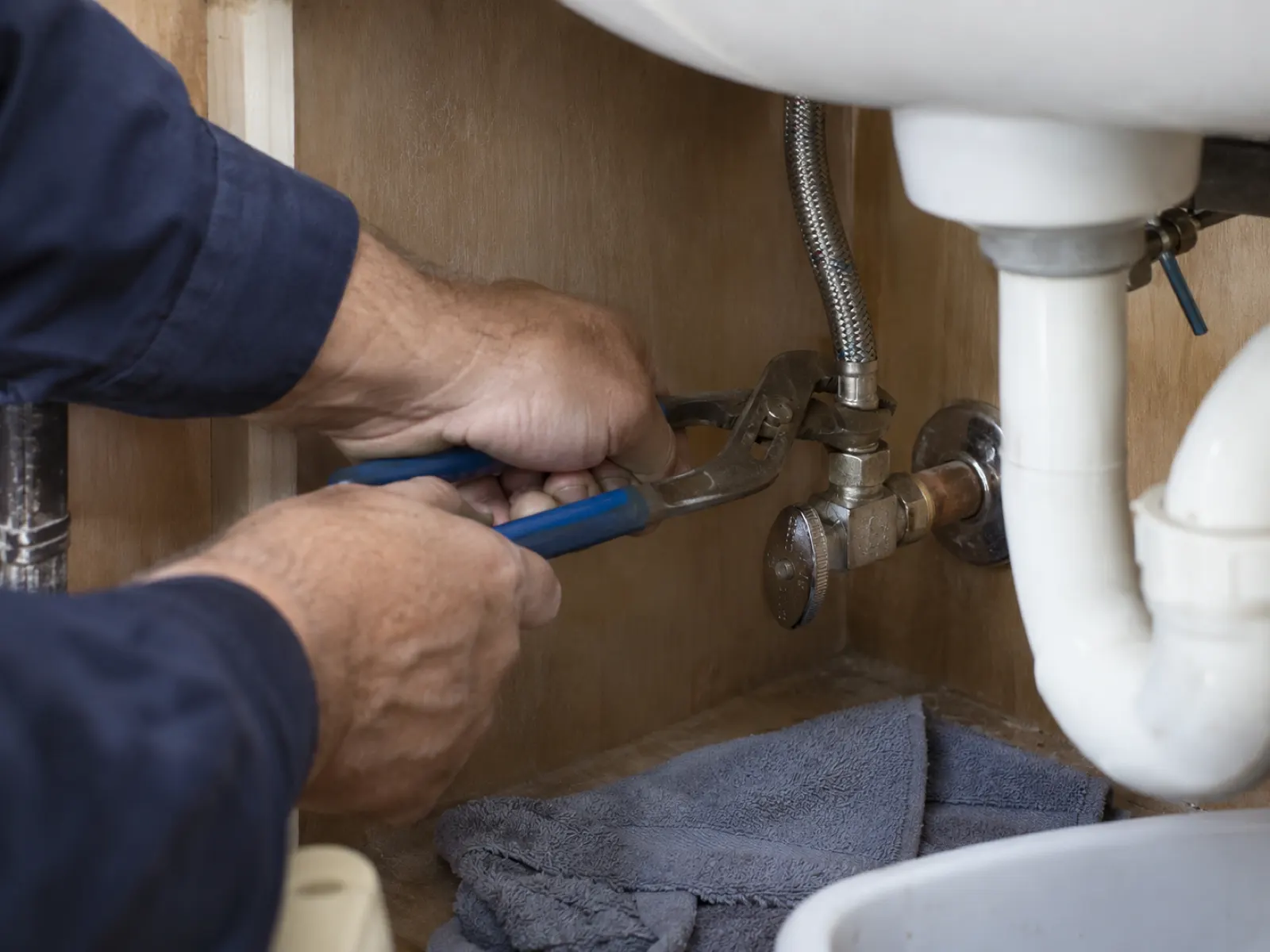
If your Jacksonville home was built before the mid-1970s, there is a good chance its drain lines are original cast iron — and the honest answer to repair-or-replace is: it depends on condition, not age alone. Some eighty-year-old cast iron in Avondale is still draining fine; some sixty-year-old pipe in Murray Hill is rusted paper-thin. The only way to know which house you own is to look inside the pipe, which is why every good decision here starts with a camera inspection.
Riverside, Avondale, San Marco, Ortega, Murray Hill, and Springfield hold some of the most beautiful housing stock on the First Coast, and most of it was plumbed decades before PVC became standard. This guide walks through how to tell what you have, how long it typically lasts, what failure looks like, and how to choose between a spot repair, a phased replacement, and a full repipe.
How do I know if my home has cast iron pipes?
Start with the year your home was built. Cast iron was the standard drain material in American homes from the early 1900s into the 1970s, so a 1920s Riverside bungalow or a 1950s San Marco ranch almost certainly had it originally — the question is whether a previous owner already replaced some of it.
- Look where drain pipes are exposed: under sinks, in the crawl space, where the stack passes through a closet or garage. Cast iron is dark gray to black metal, often flaking rust at the joints.
- Tap it gently with a screwdriver handle. Cast iron answers with a dull metallic thud; PVC sounds hollow and plastic.
- Check the cleanouts outside. A threaded metal cap on a metal pipe usually means the buried line is cast iron too.
- Mixed systems are common — many older homes have PVC under the sinks from past remodels while the main lines under the slab or in the yard are still original iron.
How long do cast iron drain pipes last?
Cast iron drain pipe generally gives somewhere between fifty and seventy-five years of service, which means pipe installed between the 1920s and the 1970s is either past its expected life or working through its final stretch right now. That is not a scare line — it is just arithmetic, and it explains why so many owners in Jacksonville's historic neighborhoods are facing this question at the same time.
Local conditions push on that range from both ends. Jacksonville's humidity and damp, sandy soil work on the outside of buried pipe while decades of wastewater scour the inside. The mature oaks that make Ortega and Avondale streets so lovely send roots hunting for the moisture at aging pipe joints. Cast iron also corrodes from the inside out, so a pipe can look solid from the outside while the bottom of it — where water actually runs — has worn thin or channeled through.
What are the warning signs of failing cast iron?
Failing cast iron rarely announces itself all at once. It shows up as a pattern of small, recurring symptoms:
- Slow drains throughout the house, not just at one fixture — a sign the main line is constricted by scale and rust.
- Clogs and backups that keep returning after they are cleared, often in the lowest drains first, like a tub or a floor drain.
- Sewer odor indoors or in the yard, which can mean a cracked line is letting gases escape.
- Unusually green, lush, or soggy patches of lawn along the path of the buried line.
- Rust flakes or dark, gritty water backing up at cleanouts or floor drains.
- Water stains on a ceiling below an upstairs bathroom, at a spot that keeps coming back after repainting.
One of these alone might have a simple cause. Two or three together, in a pre-1975 home, is a strong reason to look inside the line before spending more on repeated clearing.
Why get a camera inspection before deciding anything?
A sewer camera inspection shows the actual condition of your pipe, section by section, and that is precisely the information the repair-or-replace decision needs. Cast iron does not fail uniformly — a run under the front yard may be sound while ten feet under the bathroom has rotted through at the bottom. Without a camera, everyone is guessing; with one, you can see the scale, the cracks, the root intrusion, and the bellied sections on a screen, and the footage becomes your record.
Ask to watch the camera footage live and to keep a copy. A trustworthy plumber will point at the screen and explain what you are seeing — which sections are fine, which are wearing, and which are failed. If someone recommends a full repipe without ever putting a camera in the line, get a second opinion.
Should I spot repair, replace in phases, or repipe?
There are three sensible paths, and the camera footage tells you which one fits your house. A spot repair replaces one failed section and makes sense when the rest of the line still shows healthy wall thickness — a root break at a single joint, for example. A phased replacement tackles the worst runs first and spreads the cost over time, which suits homes where the pipe is aging but only part of it is truly at the end. A full replacement — sometimes with trenchless methods that avoid digging up floors and gardens — is the right call when scale and corrosion run through the whole system and each new symptom is just the next section failing.
The wrong path is the one many homeowners drift into by default: paying to clear the same line again and again. Once cast iron is channeled and rough inside, each clearing buys less time, and that money is gone. Cost depends on length, depth, access, and how much finished floor or landscape sits over the line — which is why a written, itemized quote after a camera inspection is the only number worth comparing.
If you own an older home in Riverside, Springfield, San Marco, or anywhere on the First Coast and your drains keep hinting that something is off, call or message us. We will camera the line, show you exactly what is down there, and walk you through the options at your pace — no pressure, and nothing decided until you have seen it yourself.